

The Vietnam eVisa application process has become a popular choice for travelers seeking a hassle-free way to visit this remarkable Southeast Asian country. With an easy online application, travelers can secure their visa quickly and efficiently. In this guide, we will delve into everything you need to know about the Vietnam eVisa application process, ensuring that your trip to Vietnam is as smooth as possible.
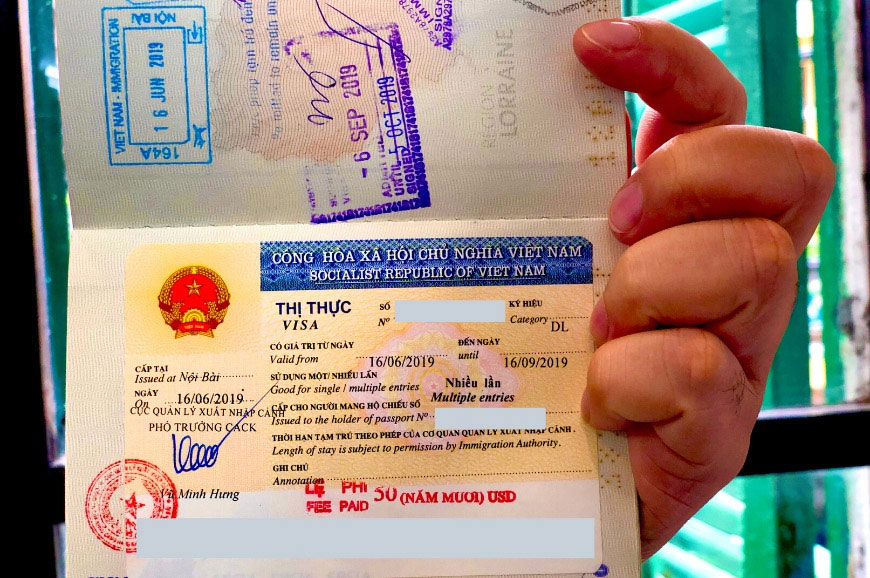
Table of Contents
Vietnam eVisa Application
Embarking on a journey to Vietnam involves understanding the necessary documentation required for entry. The Vietnam eVisa application simplifies obtaining a visa, allowing travelers to apply from the comfort of their homes. This electronic visa is available for citizens of numerous countries and provides a convenient option for those looking to explore Vietnam’s vibrant culture, stunning landscapes, and delicious cuisine.
The introduction of the eVisa system marks a significant shift in how visas are processed for international travelers. Gone are the days of long queues at embassies or immigration offices; instead, the eVisa process streamlines everything through a straightforward online platform.
Understanding the eVisa Process
The eVisa process is designed to be user-friendly and efficient.
When applying for an eVisa, you’ll need to visit the official eVisa website, where the application form is readily available. The form requests basic personal information, travel plans, and passport details.
Once you’ve filled out the application, you are required to upload a recent passport-sized photograph and a scan of your passport’s biodata page. It’s crucial to ensure that all information is accurate and matches your passport, as discrepancies can lead to delays or rejections.
After submitting the application and making the payment, applicants typically receive their eVisa via email within a few working days. This timeline allows for adequate processing time while maintaining a quick turnaround.
Eligibility Criteria
Before initiating the eVisa application for Vietnam, it’s important to confirm your eligibility. Not all nationalities can apply for the eVisa, so checking the list of eligible countries is an essential first step.
Additionally, the eVisa is valid for single-entry purposes only and allows travelers to stay in Vietnam for up to 30 days. For longer stays or multiple entries, different visa types must be considered.
Understanding these criteria will help prevent complications during your travel planning stage.
What to Do If Your Application Is Rejected
Experiencing a rejected visa application can be disheartening.
In such cases, it’s vital to understand the reason behind the rejection. Common reasons include incomplete applications, incorrect document submissions, or eligibility issues.
If your application is denied, you have the option to reapply after addressing the reasons for the initial rejection. It’s always advisable to double-check your application before submitting, ensuring that every detail is accurate and complete.
Evisa Vietnam Application
The eVisa Vietnam application caters not just to tourists but also to business travelers looking to explore opportunities in this burgeoning market.
Vietnam’s economy is experiencing rapid growth, attracting individuals worldwide for both leisure and professional purposes.
The ease of obtaining an eVisa has made Vietnam an increasingly attractive destination for foreign investors and entrepreneurs.
Key Benefits of Using the eVisa System
One of the most compelling advantages of the eVisa Vietnam application is its convenience.
Travelers can apply for their visa anytime and anywhere without needing to physically visit a consulate or embassy.
This flexibility means that even last-minute travel plans can be accommodated, making it easier for spontaneous travelers or businesspersons with shifting schedules.
Moreover, the eVisa is typically less expensive than traditional visas, which often come with additional service fees. The savings from the eVisa can then be spent exploring the beautiful streets of Vietnam or indulging in local delicacies.
Security and Safety Features
Online transactions can sometimes feel risky, especially when sensitive personal information is involved.
However, the eVisa application Vietnam process employs robust security measures to protect applicants’ data.
By using encrypted connections and secure payment gateways, the government ensures that sensitive information remains confidential and safe from potential cyber threats.
This level of security fosters trust in the system, encouraging more travelers to opt for the eVisa rather than traditional visa routes.
Expanding Accessibility
The eVisa initiative significantly enhances accessibility for travelers who may have found traditional visa processes daunting.
As global travel continues to evolve, adopting digital solutions allows more people to experience the diverse offerings of Vietnam.
This paradigm shift towards digitalization aligns with global trends and reflects Vietnam’s commitment to improving tourism.
Evisa Application Vietnam
Completing the eVisa application Vietnam involves several key steps that ensure a smooth process from start to finish.
Understanding these steps enables travelers to prepare adequately, reducing the likelihood of errors and delays.
Step-by-Step Guide to Applying
To begin your eVisa application Vietnam, follow these simple steps:
- Visit the official government website dedicated to visa applications.
- Fill out the online application form with accurate information.
- Upload the required documents, including a photo and passport scan.
- Pay the processing fee using one of the accepted payment methods.
- Wait for the processing period, after which you will receive your eVisa via email.
Each step plays an integral role in the successful completion of your application. Being thorough and meticulous during this process will ultimately benefit your travel plans.
Common Mistakes to Avoid
While applying for the eVisa application for Vietnam, applicants should be aware of common pitfalls that could delay their visa approval.
These mistakes often include failing to check the validity of their passport, providing inaccurate personal details, or neglecting to upload the required documents in the correct format.
Taking the time to review the requirements and guidelines can save considerable time and frustration later on.
Tips for a Successful Application
To enhance your chances of a successful eVisa application, consider the following tips:
- Double-check all entries for accuracy.
- Ensure all documents meet specified requirements.
- Apply well in advance of your travel date to account for any unforeseen delays.
By taking proactive measures during the application process, travelers can ensure a seamless entry into Vietnam.
Evisa Application for Vietnam
The eVisa application for Vietnam serves to illustrate the government’s commitment to enhancing the travel experience for visitors.
Travelers can look forward to a more streamlined process, free from the complexities often associated with obtaining visas.
Exploring Different Visa Types
While the eVisa is a convenient option, it’s essential to understand that other visa types are available depending on the traveler’s needs.
Options may include tourist visas, business visas, and special visas for expatriates. Each type comes with its own set of rules, durations, and entry conditions.
Being aware of the various options ensures that travelers select the most suitable visa for their circumstances, maximizing their enjoyment of the country.
The Role of Travel Agencies
For those who might feel overwhelmed by the eVisa application for Vietnam, enlisting the assistance of travel agencies can provide valuable relief.
Many agencies offer services to navigate the visa application landscape, ensuring that all documentation is handled correctly.
While this may incur additional costs, the peace of mind and expertise provided by travel professionals can prove invaluable, particularly for first-time travelers.
Cultural Insights for Travelers
Acquiring a visa is just one aspect of preparing for a trip to Vietnam. Understanding cultural norms and practices is equally important.
Learning a few basic Vietnamese phrases can go a long way in establishing rapport with locals. Respecting customs and traditions can enhance the travel experience, allowing visitors to engage meaningfully with the rich tapestry of Vietnamese culture.
Vietnam Entry Visa Application Form
The Vietnam entry visa application form is the critical document that initiates the visa process for travelers heading to this beautiful country.
Filling out this form accurately is of utmost importance to avoid delays or potential issues upon arrival.
Breakdown of Required Information
The entry visa application form requests various pieces of information, including:
- Personal details like name, date of birth, and nationality
- Passport information including number, issue date, and expiration date
- Travel details such as intended dates of stay and places to visit
Each section of the form must be completed meticulously to ensure a successful application process.
Importance of Supporting Documents
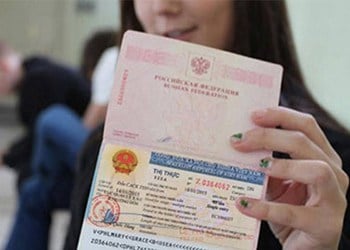
Along with the entry visa application form, supporting documents play a crucial role in the overall application.
The required documents often include a recent passport-sized photo and a copy of the travel itinerary.
These documents serve as proof of intent and identity, reassuring immigration authorities of the traveler’s legitimacy.
Additional Considerations
Before submitting the Vietnam entry visa application form, travelers should verify that all information matches their passport.
Any discrepancies can lead to confusion or denial at the point of entry.
By taking the time to ensure accuracy and completeness, travelers can enjoy a smoother transition into their adventure in Vietnam.
FAQs
What is the Vietnam eVisa application processing time?
The typical processing time for the Vietnam eVisa application is around three working days. However, it’s advisable to apply well in advance of your planned travel dates to accommodate any unforeseen delays.
Can I extend my eVisa once I’m in Vietnam?
Unfortunately, eVisas cannot be extended. If you wish to stay longer, you need to leave Vietnam and apply for a new visa or opt for a different visa type before returning.
Is the eVisa valid for multiple entries?
No, the eVisa for Vietnam is designed only for single-entry purposes. If you require multiple entries, you will need to apply for a different type of visa.
What happens if I enter Vietnam without a visa?
Entering Vietnam without a valid visa can result in being denied entry or facing fines. Always ensure that you have the appropriate visa documentation before traveling.
Are there any restrictions on activities with an eVisa?
Yes, the eVisa does not permit certain activities such as work or study in Vietnam. For those purposes, travelers must seek specific visas suited for those activities.
Conclusion
Navigating the Vietnam eVisa application process is crucial for anyone planning to visit this enchanting country. By understanding the ins and outs of the application procedure, eligibility criteria, and necessary documentation, travelers can ensure a seamless experience.
From the convenience of online applications to the ability to explore the rich culture and breathtaking landscapes, the eVisa transforms what was once a complicated process into a straightforward endeavor.
As you prepare for your journey to Vietnam, take the time to familiarize yourself with the requirements and nuances of the eVisa system. With this knowledge in hand, you’re well-equipped to embark on an unforgettable adventure in Vietnam.