
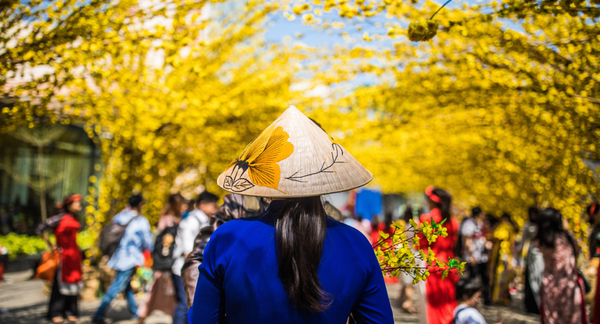
Vietnam visa holiday announcement 2026 is set to bring remarkable updates for international travelers, opening new pathways for tourism and business expansion. As Vietnam prepares to implement its annual visa policies, the 2026 holiday announcement promises extended periods of leniency and special holiday windows, making it an ideal time for visits. This article explores the upcoming changes, what travelers can expect, and how to make the most of Vietnam’s evolving visa policies.
Table of Contents
The Significance of Vietnam Visa Holiday Announcement 2026 for Global Travelers
Understanding Vietnam’s visa holiday announcement for 2026 is essential for those planning trips to Vietnam. The government’s strategic decision to introduce extended holiday periods impacts tourism flow, economic growth, and international relations. This section examines why the 2026 holiday announcement is particularly momentous and how it reflects Vietnam’s broader approach to fostering tourism.
Vietnam’s government has historically used holiday announcements to regulate visa policies, boost tourism revenue, and showcase cultural attractions. The 2026 announcement, however, is anticipated to be more progressive, offering extended visa exemptions and special permits during key holidays. This proactive approach aligns with Vietnam’s economic development goals and global tourism trends, especially post-pandemic recovery.
Moreover, the decision is informed by the growing international demand for travel amidst the rising popularity of Southeast Asia as a travel hub. Many countries now prioritize flexible visa policies to attract tourists, and Vietnam’s holiday announcement for 2026 exemplifies this trend. It aims to make Vietnam more accessible, especially during peak holiday seasons, thereby creating a win-win situation—tourists enjoy extended stays, and Vietnam benefits from increased tourism earnings.
Why the 2026 Holiday Announcement Is a Game Changer for Travelers
The 2026 holiday announcement is not merely a routine government policy but a potential game changer for travelers seeking longer stays, special travel incentives, and hassle-free entry. This section explores how the announcement could redefine travel planning, reduce visa-related stress, and stimulate economic activity in Vietnam.
Travelers often face challenges with visa renewals, short stays, or complex application processes that deter longer visits. The 2026 holiday announcement promises to address these concerns by introducing longer grace periods and flexible expiration rules during holiday seasons. If implemented effectively, these policies will enable tourists to plan their itineraries more comfortably, fostering more profound cultural exchanges and leisure experiences.
Furthermore, these adjustments are expected to attract a broader demographic—family travelers, retirees, digital nomads, and business visitors—who seek flexibility and extended stays. This inclusivity aligns with global travel trends emphasizing experiential tourism and immersive cultural engagement. When Vietnam simplifies its visa policies around holidays, it not only boosts short-term tourist numbers but also builds long-term loyalty among international visitors.
Finally, the economic boost during holiday periods could be substantial. Tourism-related sectors—hotels, airlines, restaurants, and cultural sites—stand to benefit immensely from predictable, extended inbound traffic. The 2026 announcement could effectively position Vietnam as a top Southeast Asian destination for international holidays, encouraging repeat visits and boosting the country’s global stature.
Key Changes Expected in Vietnam Visa Policies During 2026 Holidays
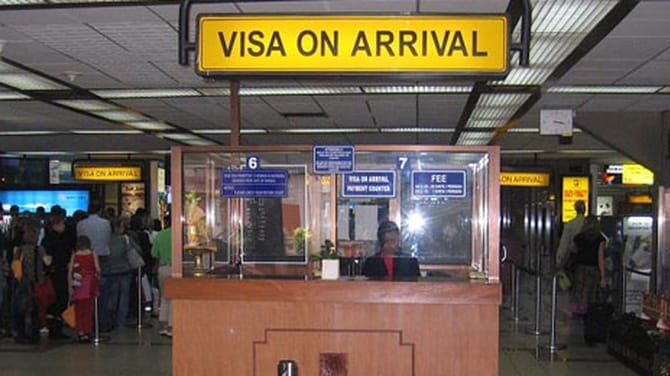
Anticipating specific visa policy updates in line with the 2026 holiday announcement is crucial for travelers and industry stakeholders. Vietnam’s government may introduce several reforms aimed at easing entry restrictions and offering special holidays for tourists and expatriates. This section analyzes the likely key changes and how they will impact travel planning.
The first expected change is an extension of visa exemption periods during major public holidays and festivals. For example, during Lunar New Year, International Wine Food Festival, or national independence anniversaries, tourists might enjoy longer stay durations without needing to apply for a visa in advance. These exemptions will be particularly appealing to those planning multi-week holidays.
Secondly, Vietnam could introduce special e-visa schemes or simplified procedures during 2026 holiday periods. These measures will reduce visa processing times and lower overall costs, making spontaneous or last-minute travel more accessible. The government might also extend the validity of multiple-entry visas, which are beneficial for business travelers or those seeking to explore Vietnam multiple times within the year.
Thirdly, the government is likely to implement regional visa policies tailored for tourists from neighboring countries such as China, South Korea, and ASEAN nations, emphasizing seamless cross-border travel within the holiday periods. These policies may include special permits or simplified entry processes to encourage regional tourism.
Practical Impact on Tourism and Business Sectors
The anticipated changes in Vietnam’s visa policies during 2026 holidays are expected to create a significant ripple effect across various sectors. Hotels, travel agencies, airlines, and cultural venues will need to prepare for increased tourist influx, potentially leading to peak seasons during specific holiday windows.
The hospitality industry will likely see a surge in bookings, requiring increased staffing and enhanced service offerings to accommodate the influx. Airlines might also expand flight routes and increase capacity to meet demand, especially during long holiday periods. Cultural sites and tour operators can develop themed activities aligned with the holiday themes to attract visitors.
On the business front, the relaxed visa policies will foster opportunities for business conferences, trade fairs, and expatriate settlements. Entrepreneurs and foreign professionals will find it easier to navigate visa processes, encouraging investments and collaborations. Overall, the strategic visa policy reforms for the 2026 holiday season are poised to positively influence Vietnam’s economic resilience and tourism sustainability.
Data Presentation: Visa Policy Changes Trend Table
| Policy Feature | 2025 | 2026 (Projected) | Impact Level |
|---|---|---|---|
| Visa exemption duration | Up to 15 days | Up to 30 days or more | High |
| Multi-entry visa validity | 6 months to 1 year | Extended to 2 years | Very High |
| E-visa simplification | Limited to certain countries | Nationwide expansion | High |
| Regional visa cooperation | ASEAN border agreements | Expanded cross-border policies | Very High |
| Special holiday permits | Limited, during festivals | Broader, inclusive of major holidays | High |
The data reflects projections based on government statements and tourism industry forecasts.
How to Prepare for the Vietnam Visa Holidays in 2026
Travelers and businesses should proactively prepare to leverage the opportunities presented by Vietnam visa holiday announcement 2026. This section discusses essential preparations, including visa application strategies, travel planning tips, and staying updated on policy changes.
Understanding the upcoming policy shifts begins with monitoring official government advisories. Travelers should regularly check Vietnam’s Ministry of Foreign Affairs, consulate notices, and trusted visa agencies for announcement updates. Early planning allows securing the necessary documentation ahead of peak holiday seasons and avoiding last-minute hassles.
For those intending long stays or multiple visits, applying for multi-entry or extended-duration visas in advance is advisable, especially considering anticipated policy relaxations. Digital nomads and expatriates should explore Vietnam’s new remote work visa options that might be introduced or expanded during 2026 holidays. These visas could offer flexible work arrangements, aligning with the global shift toward remote employment.
Travel planning should also account for the peak seasons during upcoming holidays. Booking flights, accommodations, and tours well in advance can secure better rates and availability. Moreover, aligning travel itineraries with Vietnam’s cultural festivals and national holidays can enhance the experience while maximizing visa benefits.
Tips for Business Travelers and Investors
Business travelers aiming to capitalize on the upcoming holiday seasons should prepare comprehensive itineraries, including meeting schedules and accommodation arrangements. They should also stay informed on special visas or permits, such as business investment visas or temporary work permits, which might be more accessible during these periods.
Networking events, trade shows, and investment seminars are often scheduled around major holidays. Participating early can foster new partnerships and promote Vietnam as an attractive destination for foreign direct investment. Keeping communications open with local partners and embassies will ensure compliance and smooth entry.
Investors looking to establish or expand operations in Vietnam should consider leveraging the relaxed visa environment to conduct on-site due diligence. The 2026 holiday announcement offers a strategic window to foster business growth while enjoying Vietnam’s rich culture and scenery, thus making strategic ventures more seamless.
Personal Insights and Considerations
Navigating visa policies effectively requires personal diligence and strategic planning. Travelers should take advantage of early bird promotions and exclusive offers during holiday seasons. Being flexible with dates can maximize benefits, especially if special exemptions or extended stay permits are available.
For expatriates and digital nomads, ensuring their documentation is up-to-date and aligned with Vietnam’s new visa policies can save significant time and expenses. Building relationships with local legal advisors or visa experts can facilitate smoother processes and help adapt quickly to policy changes.
Finally, immersing oneself in Vietnam’s diverse festivals and cultural traditions during holiday periods can lead to more meaningful travel experiences. The 2026 holiday announcement signals a welcoming environment, making it an ideal time to explore Vietnam’s natural beauty, culinary delights, and vibrant communities.
FAQs About Vietnam Visa Holiday Announcement 2026
What are the expected visa policy changes during the 2026 holidays?
The 2026 holidays are expected to see extended visa exemption periods, simplified application procedures, longer multi-entry visa validity, and expanded regional cooperation. These changes aim to encourage longer stays and facilitate easier travel.
How early should I apply for a visa for a trip during the 2026 holidays?
It is advisable to apply at least 2-3 months in advance of your intended travel date during the holiday seasons. This allows ample time for processing, obtaining necessary permits, and making logistical arrangements.
Will the 2026 holiday announcement affect current visa validity rules?
While specific updates are still being finalized, it’s anticipated that existing visa validity rules will be relaxed during holiday periods. Check official sources for the latest regulations and ensure your documentation is up-to-date.
Are there special visa options for digital nomads during 2026 holidays?
Vietnam is considering the expansion of remote work visas or flexible options tailored for digital nomads. Details are expected to be announced closer to 2026, so staying informed through official channels is recommended.
How can travelers prepare for the upcoming changes to Vietnam’s visa policies?
Travelers should monitor official government communications, plan their trips well in advance, consider applying for longer-term or multi-entry visas, and consult with trusted visa agencies for personalized assistance.
Conclusion
Vietnam visa holiday announcement 2026 heralds an exciting chapter for global travelers and international investors. By implementing extended visa exemptions, simplified processes, and regional cooperation, Vietnam aims to elevate its tourism industry, foster economic growth, and showcase its rich cultural heritage. Travelers and businesses confident in their preparations can harness this strategic window to explore Vietnam’s myriad attractions, establish fruitful partnerships, and enjoy the vibrant spirit of this increasingly accessible Southeast Asian destination. As the year approaches, staying informed and planning proactively will enable you to make the most of Vietnam’s upcoming visa policies, turning 2026 into an unforgettable year of exploration and opportunity.
Leave a Reply